









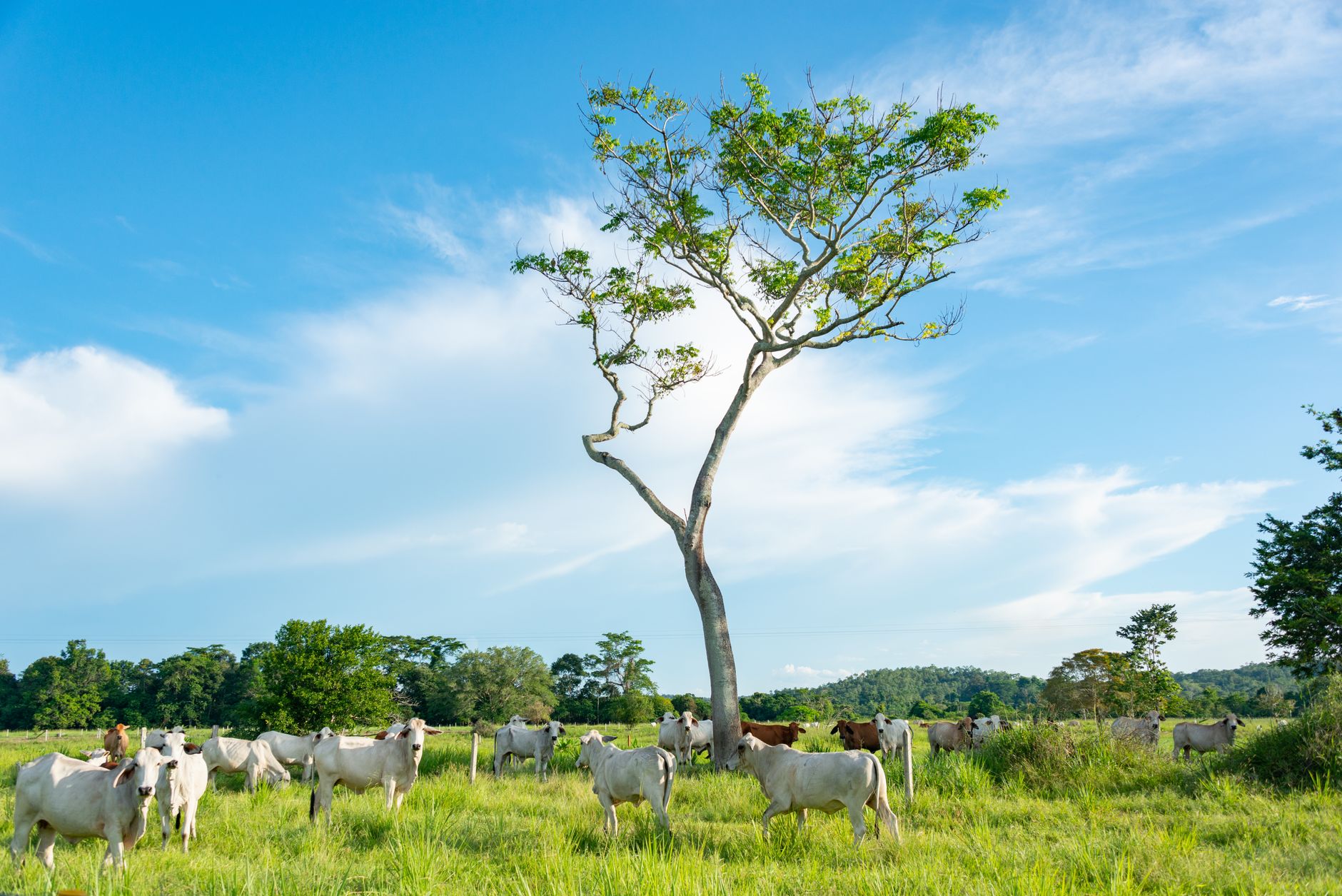
Rural heritage reflects the relationship between communities, their environment, and the traditions developed over generations. In southern Thailand, agriculture, livestock ownership, local food, and community gatherings contribute to a distinctive cultural identity. วัวชนแดนใต้.net traditions represent one aspect of this heritage, connecting certain rural communities with cattle raising, traditional events, and shared agricultural experiences.
How Does Agriculture Shape Rural Heritage?
Agriculture has long supported families throughout southern Thailand. Farmers cultivate crops suited to local conditions, including rubber, rice, fruits, and other agricultural products. These activities provide livelihoods while influencing seasonal routines, community relationships, and traditional knowledge.
Livestock farming also contributes to rural life. Cattle can represent valuable household assets and support agricultural activities through manure and other practical uses. Caring for animals requires experience in feeding, breeding, shelter management, and disease prevention. These skills are often shared between generations.
Why Are Cattle Important to Local Traditions?
Cattle have social and economic significance in several rural communities. Their ownership may reflect family resources, agricultural experience, and connections with other livestock owners. In certain areas, cattle-related gatherings have become part of local customs.
These occasions can bring together farmers, relatives, and visitors who share an interest in regional traditions. They offer opportunities to exchange experiences, discuss livestock care, and maintain community relationships. However, customs vary across southern Thailand, and not every village participates in the same activities.
What Makes Southern Thailand’s Rural Lifestyle Distinctive?
The region includes coastal settlements, agricultural plains, hills, and areas with abundant rainfall. These environmental differences influence farming methods, housing arrangements, food production, and livestock management.
Local communities often combine several occupations to support household income. A family might participate in crop cultivation, livestock care, small-scale trading, or other rural activities. This variety demonstrates how agricultural knowledge adapts to changing economic and environmental conditions.
How Can Traditional Heritage Be Preserved Responsibly?
Preserving rural heritage requires more than remembering historical events. Communities can share traditional stories, document farming methods, and encourage younger generations to learn practical agricultural skills.
Animal welfare must remain an important part of this preservation. Cattle require nutritious feed, clean water, adequate shelter, veterinary attention, and sufficient rest. Traditional gatherings should avoid activities that deliberately cause fear, injuries, or exhaustion. Educational exhibitions and non-harmful demonstrations can help celebrate local identity respectfully.
What Is the Future of Rural Traditions?
Southern Thailand’s rural heritage remains valuable because it connects agricultural livelihoods with cultural identity. Farmers, families, and community organizers can protect this heritage through cooperation and education.
Combining traditional knowledge with responsible livestock management allows communities to maintain meaningful customs while adapting to modern needs. Respect for agriculture, local history, and animal welfare can help ensure that rural traditions remain relevant for future generations.
Key Takeaways
- Rural heritage in southern Thailand is defined by the symbiotic relationship between communities, their environment, and long-standing traditions.
- Agriculture in southern Thailand includes the cultivation of crops such as rubber, rice, and fruits, which support livelihoods and shape community routines.
- Cattle are significant in rural communities for their economic value, social status, and role in community gatherings that foster connections among farmers.
- Environmental diversity in southern Thailand affects farming practices, housing, and livestock management, leading families to engage in multiple income-generating activities.
- Preserving rural heritage involves sharing traditional knowledge, documenting farming methods, and ensuring animal welfare during local customs and events.
- Cooperation and education can help protect the future of rural traditions by integrating traditional practices with modern agricultural needs.