









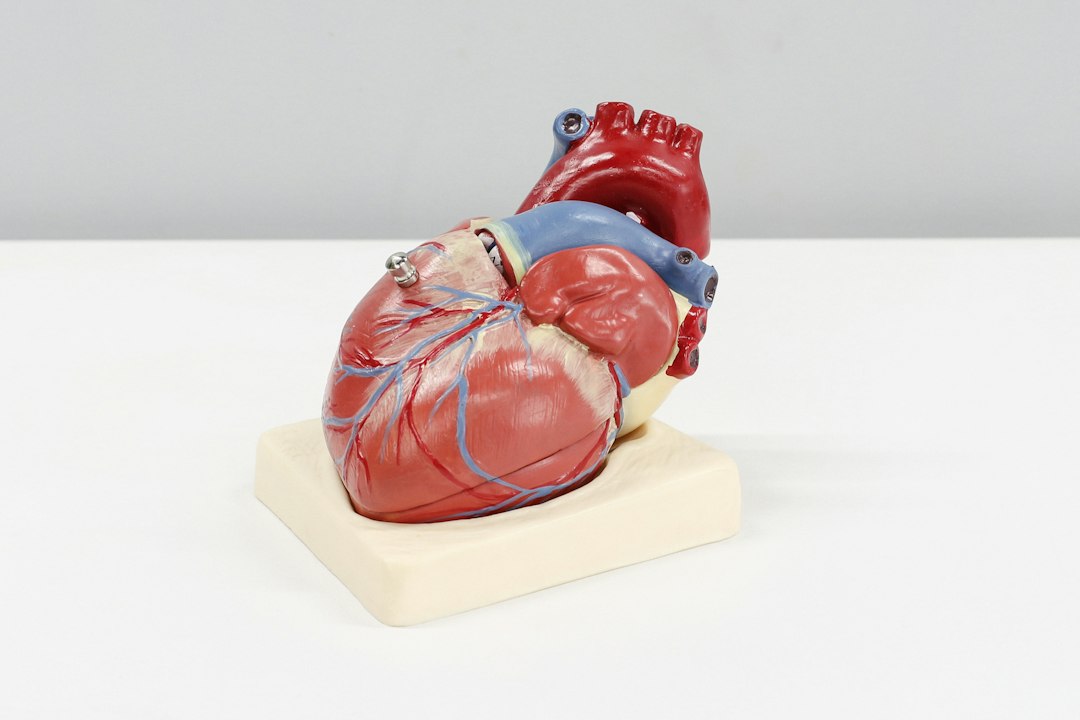
Why Does Children’s Heart Health Require Specialized Attention?
Children’s cardiovascular health requires a specialized approach because their hearts and blood vessels change as they develop. Conditions affecting infants may require different assessments and treatment considerations than those involving older children or teenagers. Pediatric cardiovascular medicine focuses on identifying these differences and developing appropriate care strategies.
The subject of Dr Carlo Bartoli Philadelphia offers an opportunity to examine the wider medical conversation surrounding pediatric cardiovascular treatment, specialized knowledge, and the importance of continuous improvements in children’s healthcare.
What Are the Common Cardiovascular Conditions Affecting Children?
Children can experience several types of cardiovascular conditions. Congenital heart defects are among the conditions that receive considerable attention in pediatric cardiology. These abnormalities develop before birth and may affect the heart’s walls, valves, chambers, or major blood vessels.
Other concerns include heart rhythm disorders, cardiomyopathies, inflammatory heart conditions, and problems involving blood circulation. Some conditions are identified shortly after birth, while others become noticeable during routine examinations or when symptoms develop.
Understanding the specific diagnosis is essential because different cardiovascular conditions require different management strategies.
How Do Physicians Identify Potential Heart Problems?
The diagnostic process usually begins with a detailed medical history and physical examination. Physicians may ask about symptoms, family medical history, pregnancy-related information, and the child’s developmental progress.
Additional investigations may include electrocardiograms, echocardiograms, chest imaging, or specialized cardiac tests. Each procedure provides different information about the heart’s electrical activity, structure, or functioning.
Accurate diagnosis helps physicians distinguish between conditions that require immediate attention and those that can be monitored over time.
What Improvements Have Changed Pediatric Cardiovascular Treatment?
Technological progress has introduced more detailed diagnostic options and increasingly refined treatment methods. Modern imaging allows medical teams to understand complex heart structures and assess blood flow without relying exclusively on invasive examinations.
Catheter-based procedures have also expanded treatment possibilities for selected patients. Depending on the diagnosis, these procedures may help physicians address certain structural abnormalities through small blood vessel access rather than traditional open surgery.
Discussions involving Dr Carlo Bartoli Philadelphia can be placed within this broader context of how clinical expertise, medical research, and technological innovation contribute to evolving pediatric cardiovascular practices.
How Is Treatment Selected for Individual Patients?
There is no single treatment approach suitable for every child with a cardiovascular condition. Specialists evaluate the type of abnormality, its severity, the patient’s age, symptoms, and possible effects on development.
Some children may need regular monitoring, while others require medication, catheter-based intervention, or surgical treatment. Physicians consider the expected benefits and potential risks before recommending an approach.
Treatment decisions should also involve parents or legal guardians, who need sufficient information to understand the available options.
What Happens After a Cardiovascular Procedure?
Recovery depends on the condition being treated and the type of procedure performed. Some children may require observation in a specialized hospital unit, while others can return home after an appropriate recovery period.
Follow-up appointments allow physicians to evaluate healing, monitor heart function, review medications, and identify potential complications. Families should follow the medical team’s instructions regarding activity restrictions, nutrition, and warning signs.
Long-term monitoring can remain important even after a successful intervention because childhood cardiovascular conditions may require additional assessment during growth.
Why Is Communication Between Specialists and Families Essential?
Clear communication helps parents understand medical recommendations and make informed decisions. It also allows children to participate in discussions at an age-appropriate level.
Healthcare professionals should explain diagnoses, treatment expectations, and follow-up plans without creating unnecessary confusion. A supportive relationship can make the treatment experience more manageable for the entire family.
What Can Families Expect From Future Developments?
Future progress may involve improved imaging, precision-based interventions, advanced surgical techniques, and more individualized monitoring systems. These developments may help specialists address complex cardiovascular conditions with greater confidence.
The broader subject of Dr Carlo Bartoli Philadelphia reinforces the value of discussing pediatric cardiovascular medicine through the perspectives of clinical development, responsible innovation, and patient-centered care.
A strong approach to children’s heart health combines medical knowledge, careful diagnosis, coordinated treatment, and ongoing support throughout childhood and adolescence.
Key Takeaways
- Children’s cardiovascular health requires a specialized approach due to the developmental changes in their hearts and blood vessels.
- Pediatric cardiology focuses on conditions such as congenital heart defects, heart rhythm disorders, and cardiomyopathies that can affect children.
- The diagnostic process for potential heart problems typically begins with a detailed medical history, physical examination, and may include tests like electrocardiograms and echocardiograms.
- Advancements in technology have improved pediatric cardiovascular treatment options, allowing for non-invasive assessments and catheter-based procedures.
- Treatment plans for children with cardiovascular conditions are individualized based on the type and severity of the abnormality, age, and symptoms.
- Communication between healthcare professionals and families is crucial for understanding diagnoses and treatment plans, ensuring informed decision-making.